

Rental Property Calculator: How to Use Effectively
In today’s modern, fast-paced real estate market, the difference between a high-performing portfolio and a financial burden often comes down to one single, crucial tool: a rental property calculator. Whether you’re a seasoned investor, just getting started with rental properties, or an “accidental landlord” navigating the current supply shortage, relying on fly by the seat of your pants math is not a viable strategy in the 21st century here.
A rental property calculator allows you to strip away the emotional appeal of a property and focus strictly on the data. By inputting variables like purchase price, financing terms, and operating expenses, you can project your potential returns with near surgical precision.
Why a Rental Property Calculator is Essential
The real estate landscape has evolved. With construction completions at a decade-low and rental demand hitting record highs, investors are facing tighter margins and higher competition. A rental property calculator helps you:
• Mitigate Risk: Identify hidden costs like “junk fees,” rising insurance premiums, and localized property tax hikes.
• Compare Opportunities: For example, see a side-by-side analysis of a long-term rental in a stable suburb versus a short-term rental in a high-demand city.
• Secure Financing: Professional, data-backed reports make you a more attractive candidate for lenders and private equity partners.
Key Metrics You Must Track
To truly understand the health of an investment, you need to look beyond the monthly rent check. A high-quality rental property calculator will typically focus on four primary metrics:
1. Net Operating Income (NOI)
NOI is the bedrock of property analysis. It measures the total income a property generates after all operating expenses are paid, but before mortgage payments or taxes.

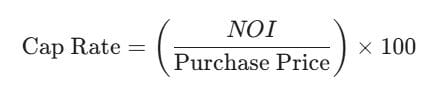
2. Capitalization Rate (Cap Rate)
The Cap Rate helps you compare the profitability of different properties regardless of how they are financed. It is a snapshot of the property’s natural rate of return.
3. Cash-on-Cash Return (CoC)
For investors using leverage (mortgages), the CoC return is often the most important number, as it calculates the annual return you receive on the actual cash you put down.

4. The 50% Rule
While not a formal calculation, many current investors use this as a quick filter. The rule suggests that approximately 50% of a property’s gross income will be consumed by operating expenses (excluding the mortgage). It’s a safe rule to live by when doing your calculations.
How to Use a Rental Property Calculator Effectively
To get the most accurate results, you must be meticulous with your data entry. Here is a step-by-step guide to the inputs required for a comprehensive analysis:
Phase 1: The Acquisition Data
Start with the “upfront” costs. This includes the purchase price, but don’t forget the closing costs (typically 2–5% of the price) and the initial repair budget. As of this writing, renovation costs have stabilized, but labor remains a premium, so always add a 10% buffer to your rehab estimates.
Phase 2: Operating Expenses
This is where most investors make mistakes. To ensure your rental property calculator gives you a realistic outlook, include:
• Property Taxes: Check the most recent assessments available.
• Insurance: Budget for Landlord Policies, which are usually 25% higher than standard homeowner policies.
• Maintenance & CapEx: Set aside 10–15% for ongoing repairs and long-term replacements (like roofs or HVAC systems).
• Vacancy Rate: Even in a high-demand market, budget for at least a 5% vacancy rate (about two weeks per year).
Phase 3: Financing Details
Input your loan-to-value (LTV) ratio, interest rate, and loan term. Since interest rates can always fluctuate, it’s wise to run stress tests by increasing the projected interest rate by 0.5% to see if the deal still holds water.

BizRealtyLab’s Choice for Best Rental Property Calculator: Labrador
Rental property calculators are a dime a dozen online these days, and unlike the self-contained work we do here at BizRealtyLab, most places are simply using their rental property calculators for lead generation, trying to pull you in for an upsell.
That means you’ll run into all different versions of calculators, and they are by no means all created equal. We’ve looked at many of them, and our choice for cleanest, easiest to use, and truly free, is this one right here, Labrador.
The Labrador app is extensive and allows you to sign up for even more calculations with just an email address. It’s a highly thought of app, without the noise and all the selling, and we think you’ll really enjoy it.
You’re just about ready to dive in with all you’ve learned, however, let’s talk about how to steer clear of some common mistakes before you do.
Common Pitfalls: “Garbage In, Garbage Out”
The most sophisticated rental property calculator is only as good as the data you provide. Two key mistakes to avoid include:
1. Overestimating Appreciation
Although we’ve recently seen steady growth due to supply shortages, banking on 10% annual appreciation is speculative. Use a conservative 3% to ensure the property “cash flows” on its own merits.
2. Ignoring Management Fees
Even if you plan to manage the property yourself today, factor in a 8–10% property management fee. This ensures that the investment remains profitable if you decide to go “hands-off” in the future.
Data-Driven Success
In today’s market, successful real estate investing is a game of margins. Using a rental property calculator isn’t just a convenience — it’s a necessity for anyone looking to build a resilient and profitable rental portfolio.
By mastering these metrics and staying disciplined with your data, you can turn real estate from a game of chance into a more predictable wealth-building engine.